David Marble Statue: A Detailed Examination of Michelangelo's Masterpiece
Michelangelo's David marble statue stands as a radiant tribute to the artistic brilliance of the Renaissance. To truly grasp its magnificence, we delve into the historical backdrop, unraveling the circumstances and cultural resonance of its 16th-century creation. This exploration unveils not only the sculptural mastery but also the societal forces that inspired this masterpiece. Join us on a concise journey through the vibrant tapestry of the Renaissance, where Michelangelo's chisel strokes echo the spirit of an era driven by a reawakening of classical ideals and an unwavering pursuit of excellence.

Historical Background of David Marble Statue
Michelangelo Buonarroti, born in 1475, lived during a period of profound cultural and intellectual awakening known as the Renaissance. This era witnessed a revival of interest in classical art, literature, and humanism. Artists sought inspiration from the classical past, and Michelangelo was no exception. In this vibrant cultural milieu, he sculpted the David marble statue between 1501 and 1504.
At the heart of Michelangelo's David is the biblical hero, David, known for his triumph over the giant Goliath with just a sling and a stone. The statue captures David in a moment of intense concentration and poised determination, embodying the human spirit's capacity for courage and strength in the face of adversity. Michelangelo's choice of David as a subject was not merely artistic but also held political and symbolic undertones, reflecting the city-state of Florence's resilience against external threats.
At the heart of Michelangelo's David is the biblical hero, David, known for his triumph over the giant Goliath with just a sling and a stone. The statue captures David in a moment of intense concentration and poised determination, embodying the human spirit's capacity for courage and strength in the face of adversity. Michelangelo's choice of David as a subject was not merely artistic but also held political and symbolic undertones, reflecting the city-state of Florence's resilience against external threats.
To understand the historical context better, imagine walking through the streets of Florence in the early 16th century. The city, a hub of artistic and intellectual activity, was a melting pot of ideas and creativity. Michelangelo's David, originally intended for the Florence Cathedral, became a symbol of the city's pride and its aspiration for independence. In the statue, David's intense gaze and muscular physique symbolize Florence's determination to withstand challenges and threats. This symbolic narrative resonated with the citizens of Florence, who saw in David a reflection of their own resilience and determination.
Michelangelo's Artistic Process
Michelangelo's artistic process in sculpting the David marble statue is a fascinating journey into the mind of a master craftsman. In this segment, we will unravel the techniques and methods employed by Michelangelo to breathe life into a block of marble and create an enduring masterpiece.
Michelangelo approached sculpting with unparalleled skill and precision. His process involved a meticulous study of the marble block before making the first incision. His mastery lay in his ability to visualize the final form within the raw stone. The chiseling away of excess material was not merely a removal but a revelation of the figure concealed within.
Michelangelo's toolkit was a reflection of his commitment to perfection. Chisels, mallets, and rasps were his primary instruments, each serving a specific purpose in the gradual unveiling of David. The quality of Carrara marble, renowned for its purity and luminescence, played a crucial role in the final aesthetic of the statue.
The sculpting process was not without challenges. Michelangelo often faced technical difficulties due to the sheer size of the marble block and the potential for structural flaws. Yet, his unwavering dedication and mastery of his craft allowed him to overcome these obstacles, resulting in a statue that transcends the limitations of its medium.
Example
Consider the moment when Michelangelo stood before the massive block of marble, envisioning the magnificent form of David within. The initial strikes of the chisel were not random but purposeful, guided by Michelangelo's profound understanding of anatomy and his artistic vision. As the marble yielded to his skill, David emerged, embodying both strength and grace. Analogous to a painter's strokes on a canvas, Michelangelo's chisel strokes were deliberate and calculated. The play of light on the polished marble surface, the dynamic pose of David, and the intricate details in the curls of hair—all bore the imprint of Michelangelo's artistic genius.
Symbolism and Iconography
Beyond its aesthetic appeal, Michelangelo's David marble statue is a rich tapestry of symbolism and iconography. In this exploration, we will delve into the layers of meaning embedded in the sculpture, unraveling the classical and biblical references that contribute to the statue's profound significance.
At first glance, David stands as a symbol of triumph—a representation of human strength and valor. However, the statue goes beyond mere heroism. David's pose, with his sling over his shoulder and the gaze fixed on an unseen adversary, encapsulates the tension preceding the monumental moment of facing Goliath. This symbolic narrative transcends time, embodying the courage to confront challenges head-on.

Michelangelo drew inspiration from classical art and literature, infusing the David statue with echoes of ancient Greek and Roman aesthetics. The contrapposto stance, a technique perfected by classical sculptors, adds dynamism to David's pose, creating a sense of movement and vitality. Simultaneously, the biblical narrative of David and Goliath provides a timeless narrative that resonates with themes of justice, courage, and the triumph of the underdog.
The choice to depict David before the battle, in a state of contemplation and readiness, adds layers of psychological depth. It invites viewers to reflect on the moments preceding significant challenges, emphasizing the internal strength required to face adversity. The nudity of David, a departure from traditional depictions, symbolizes vulnerability and the unadorned human form, underscoring the authenticity of the human experience.
Example
Imagine standing before the David statue, observing the details that contribute to its symbolism. The sling, traditionally a humble shepherd's tool, transforms into a symbol of resilience and resourcefulness. David's furrowed brow and focused gaze convey not just determination but a profound understanding of the task at hand.
In the context of classical influences, consider the parallels between David and classical sculptures like the Doryphoros. The harmony in proportions, the mastery of anatomical details, and the idealized representation of the human form—all elements shared between classical and Renaissance art. Michelangelo's David is a masterpiece not only in its artistic execution but in its ability to communicate universal truths. The symbolism and iconography woven into the statue invite viewers to explore themes of bravery, contemplation, and the timeless struggle against adversity. As we stand before David, we are not merely spectators of a sculpture but participants in a narrative that transcends centuries.
Aesthetics and Anatomy
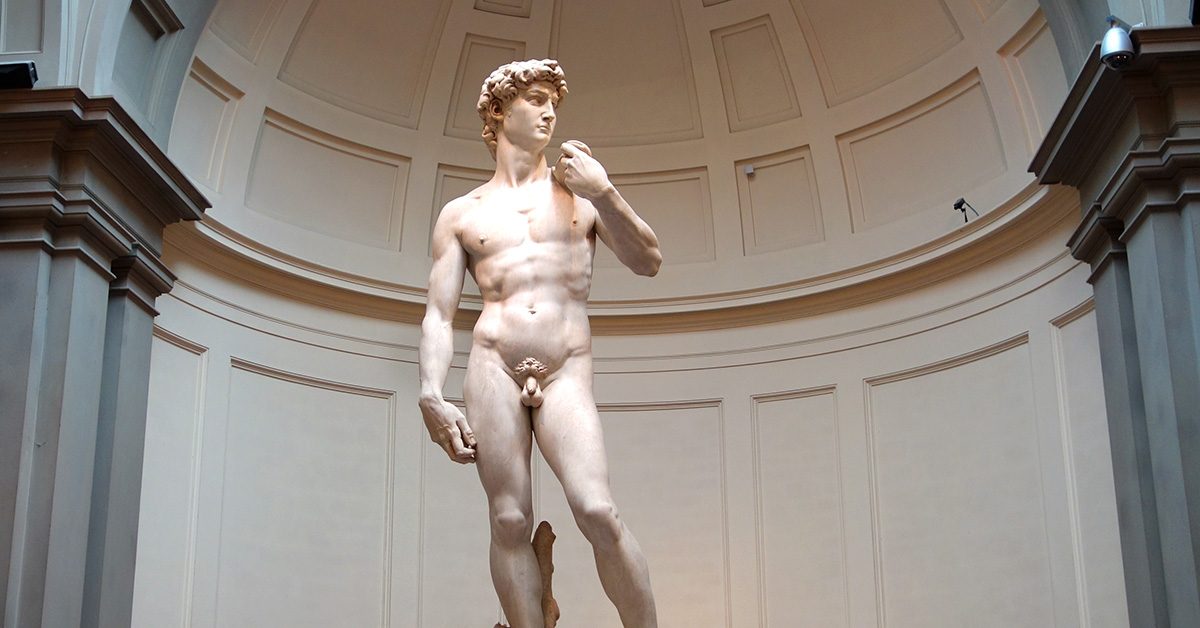
Michelangelo's David marble statue stands as a pinnacle of artistic achievement, not only for its profound symbolism but also for its unparalleled aesthetics and anatomical precision. In this exploration, we will dissect the visual allure of the sculpture and delve into Michelangelo's mastery of anatomy that brought David to life in a block of Carrara marble.
At the core of the David statue lies Michelangelo's profound understanding of human anatomy. Every contour, muscle, and sinew is meticulously rendered, showcasing the sculptor's unparalleled skill in capturing the human form. David's perfectly proportioned body reflects not just physical strength but a harmonious balance that resonates with classical ideals.
Michelangelo's use of the contrapposto stance imparts a dynamic quality to the statue. The subtle shift of weight onto one leg creates a naturalistic pose that is both graceful and powerful. This technique, borrowed from classical art, not only adds dynamism but also highlights the sculptor's keen sense of balance, contributing to the overall visual harmony of the composition.
The artistic finesse displayed in the David statue extends beyond anatomical accuracy. Michelangelo's ability to transform a rigid block of marble into the flowing locks of David's hair or the delicate details of his hands and feet is a testament to his mastery. The play of light and shadow on the polished surface adds a sculptural richness that enhances the viewer's sensory experience.
Envision standing in the presence of David, marveling at the intricacies of the sculpted form. The sinuous curves of the muscles, the veins visible beneath the translucent marble—each detail contributes to a lifelike representation that transcends the boundaries between sculpture and reality.
Consider the details in David's face—the intensity in his eyes, the subtle furrows on his forehead, and the determination etched into his expression. Michelangelo's ability to convey complex emotions through the marble medium elevates the statue beyond a mere representation of physical prowess.
The enduring beauty of the David statue lies not only in its historical significance but in its timeless aesthetic appeal. The statue continues to inspire artists and captivate audiences, a testament to the universality of Michelangelo's artistic vision. The fusion of anatomical precision, dynamic composition, and artistic finesse establishes David as a paragon of beauty in the realm of sculpture.
Michelangelo's David is a harmonious marriage of form and function, where anatomical precision converges with artistic brilliance. As we admire the statue, we are not merely witnessing a sculpted figure but a celebration of the human body and the boundless possibilities of artistic expression. In the hands of Michelangelo, a block of marble transcends its materiality, becoming a timeless embodiment of aesthetic perfection.
Impact and Legacy
Beyond its creation in the early 16th century, Michelangelo's David marble statue has left an indelible mark on the world of art and culture. In this exploration, we will trace the footsteps of David through history, examining its immediate impact on Renaissance Florence and its enduring legacy that transcends time.
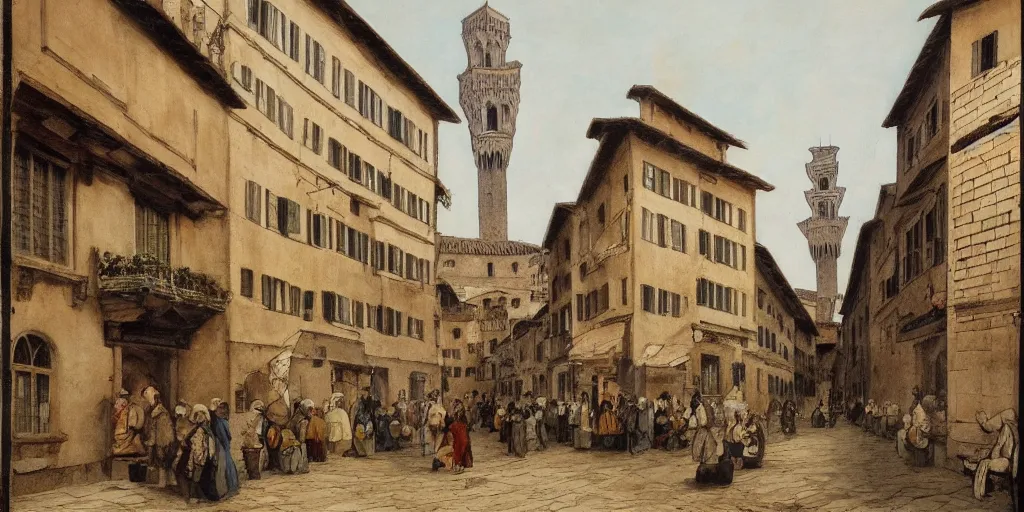
Upon the completion of the David statue, Florence was captivated by the magnificence of Michelangelo's creation. Originally intended for the Florence Cathedral, the statue instead found its place in the political heart of the city, the Piazza della Signoria. Its placement symbolized not just artistic achievement but also civic pride and resilience, becoming a potent emblem of Florence's spirit.
The David statue marked a paradigm shift in Renaissance art. Michelangelo's innovative approach to sculpting, his meticulous attention to anatomy, and the infusion of classical influences set new standards for artists of the time. The statue became a source of inspiration, influencing subsequent sculptors and painters who sought to emulate Michelangelo's mastery.
As the centuries unfolded, the David marble statue continued to exert its influence. Artists of the Baroque, Neoclassical, and Romantic periods found inspiration in its timeless beauty. The statue's legacy became not just a testament to Renaissance art but a benchmark for artistic excellence, transcending stylistic boundaries and cultural shifts.
David's significance goes beyond the realm of art; it embodies cultural and symbolic values. The statue is a symbol of human potential, resilience, and the triumph of intellect over brute force. Its resonance with themes of justice and courage has made it a cultural icon, referenced in literature, film, and popular culture worldwide.
Picture the bustling streets of Renaissance Florence, where citizens gathered in awe to witness the unveiling of David in the Piazza della Signoria. The statue, towering over the square, became a visual testament to the city's ability to overcome challenges, much like the biblical hero it depicted.
As time marched on, the influence of the David statue reached far and wide. Bernini's sculptures in Rome, Rodin's "The Thinker," and countless other works bear the unmistakable imprint of Michelangelo's David. Each artist, in their way, paid homage to the legacy of a statue that transcended its time and place of origin.
Today, Michelangelo's David stands as one of the most visited and admired sculptures globally. Its influence extends beyond the confines of art history classrooms, resonating with people from diverse backgrounds. The statue's continued cultural relevance underscores its ability to speak to the human experience across centuries.
Michelangelo's David marble statue is more than a static piece of art; it is a living testament to the enduring power of human creativity. Its impact on Renaissance art, its cultural significance, and its legacy in shaping the trajectory of sculpture make David not just a masterpiece of its time but an immortal beacon that continues to illuminate the path of artistic exploration and expression.
Conclusion
In the realm of art, Michelangelo's David marble statue stands as an everlasting testament to the genius of Renaissance craftsmanship. From its inception in the vibrant streets of 16th-century Florence to its global resonance in contemporary culture, David has transcended the boundaries of time and geography. As we conclude our detailed examination of this masterpiece, we are left with a profound appreciation for the historical, artistic, and cultural dimensions encapsulated in the chiseled contours of David.
The historical background has provided us with insights into Michelangelo's era, where the Renaissance fervor ignited a creative spark that fueled the sculptor's imagination. The symbolism and iconography explored in the statue unveiled layers of meaning, inviting us to contemplate not just the physical form of David but the universal themes of courage and resilience.
Michelangelo's artistic process, his meticulous attention to anatomy, and the aesthetic finesse displayed in David's creation have set a standard that reverberates through the corridors of art history. The impact of the statue on Renaissance art and its enduring legacy underscore its significance as a touchstone for artistic excellence.
As we reflect on the timeless beauty of the David marble statue, it's worth considering how its influence extends beyond the confines of museums and history books. It has become a symbol that resonates with the collective human experience, a beacon that continues to inspire artists and captivate admirers worldwide.
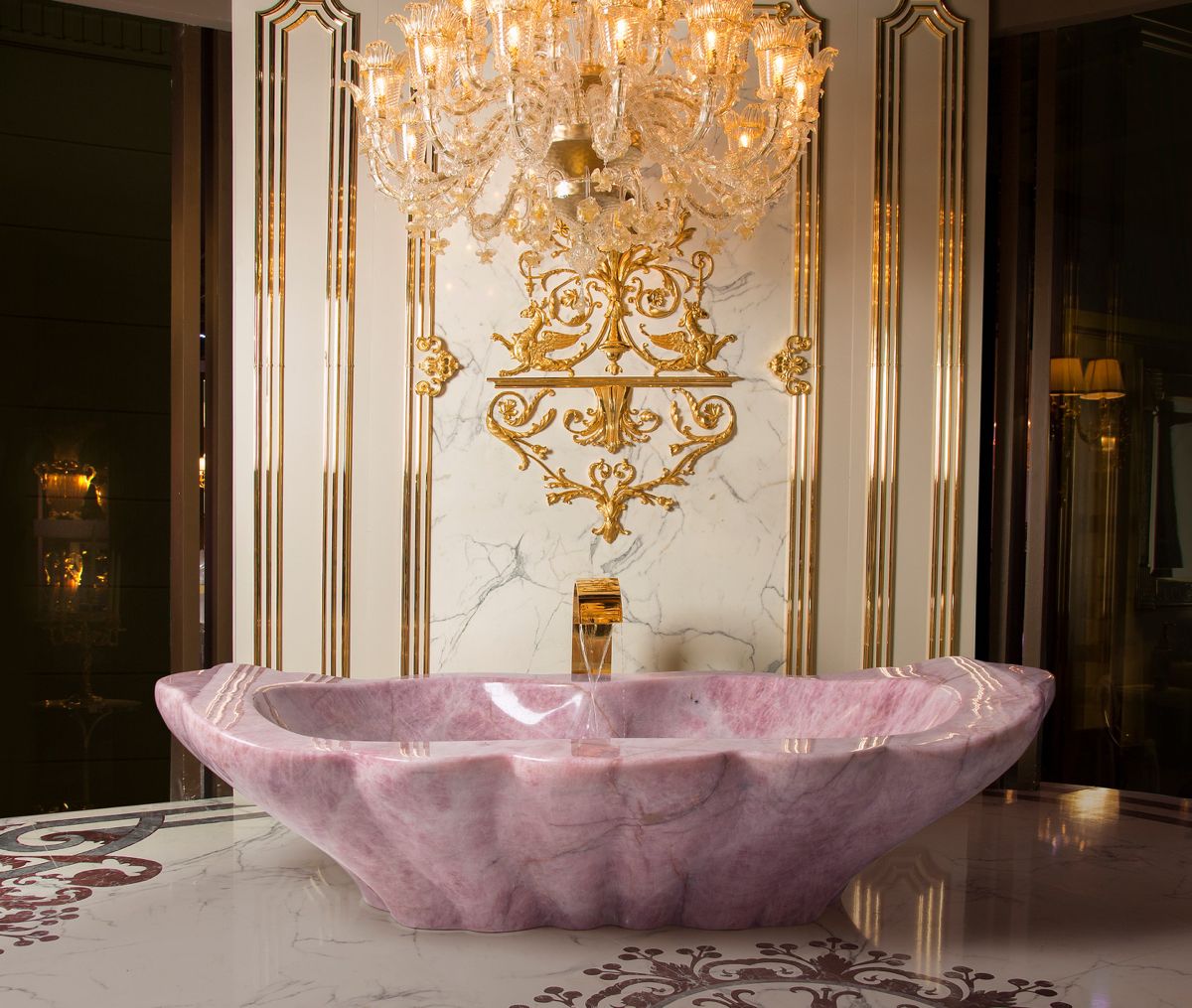
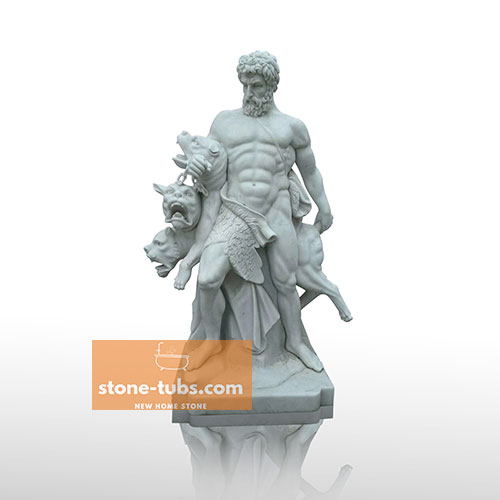
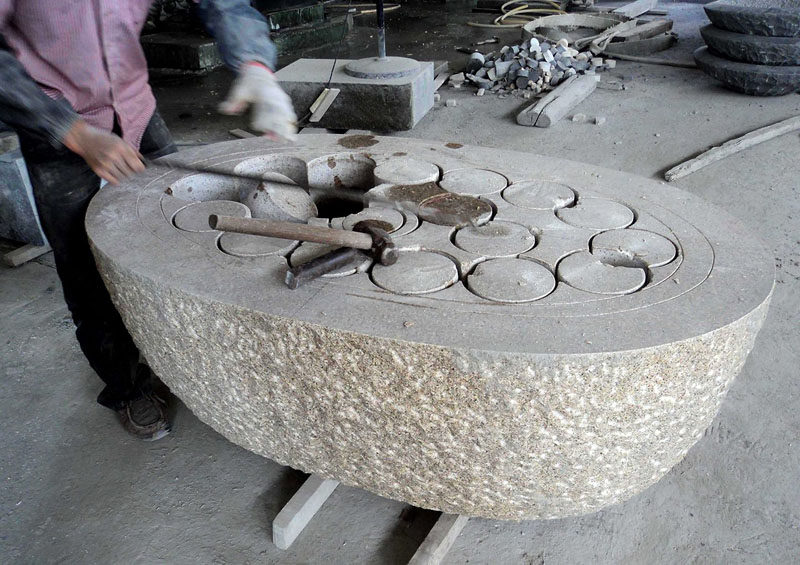
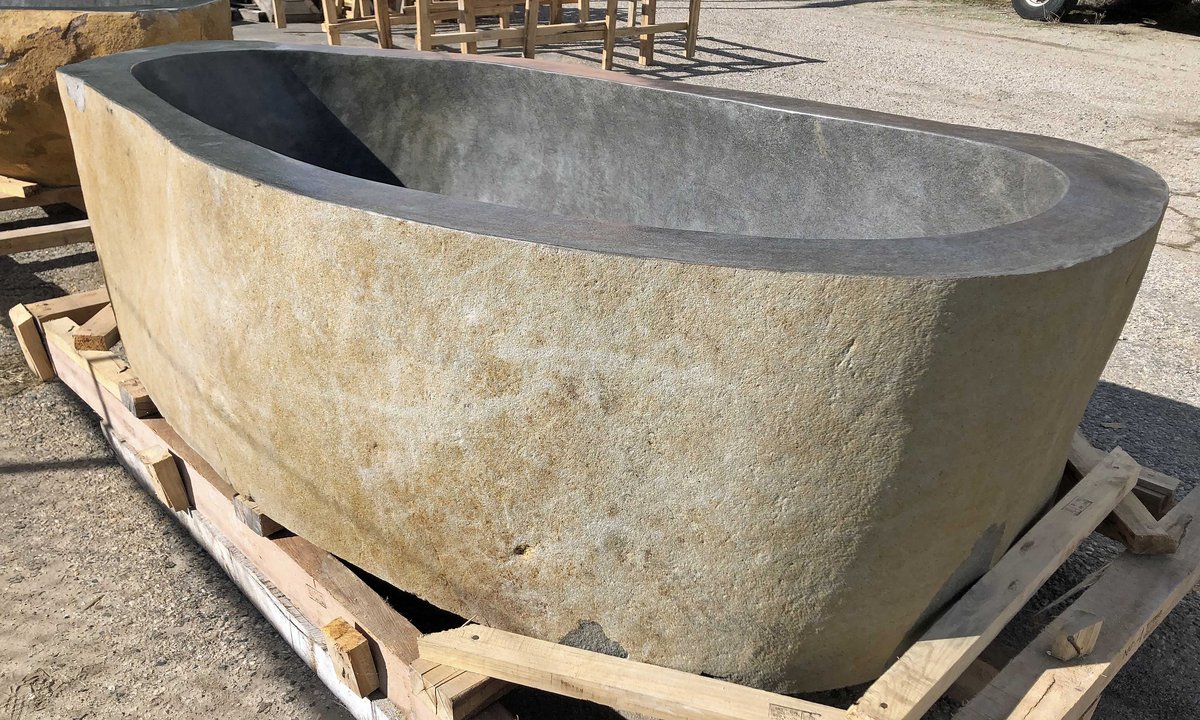
In the spirit of celebrating artistry and craftsmanship, we'd like to introduce you to Classybath Stone Tubs. Much like Michelangelo's dedication to transforming raw marble into a masterpiece, Classybath specializes in crafting customized marble statues for indoor and outdoor decoration. Their commitment to quality and attention to detail ensures that each piece, whether a bespoke statue or a luxurious stone tub, is a work of art in its own right.
Classybath Stone Tubs takes pride in merging traditional craftsmanship with modern design sensibilities, offering a range of exquisite marble creations tailored to suit individual tastes and spaces. Elevate your living environment with the timeless elegance of a customized marble statue from Classybath, bringing the spirit of artistic mastery into your home.
In the grand tapestry of art, from Michelangelo's David to the bespoke creations of Classybath Stone Tubs, the journey continues—a celebration of creativity, craftsmanship, and the enduring legacy of beauty.



.png)