Marble Statue: Unraveling the Cultural Symbols of Elephant Marble Statues
Marble statues have long adorned human history with their exquisite beauty and timeless appeal. Carved from one of the most revered natural materials, these artful masterpieces have transcended time, becoming enduring symbols of artistic expression and cultural heritage. Among the diverse array of marble statues, the marble elephant statue stands tall, captivating the imagination with its majestic presence and profound symbolism.
For centuries, marble statues have held a place of significance in the realm of art and culture. From the grand sculptures that adorned ancient temples to the intricate figurines gracing the homes of the elite, marble has been the medium of choice for sculptors seeking to capture life's essence in stone. Its smooth, luminous surface lends an ethereal quality to the most intricate of details, enabling artists to breathe life into their creations.
Amid the vast spectrum of marble statues, the marble elephant statue emerges as an extraordinary embodiment of cultural symbolism and artistic craftsmanship. As a creature revered in numerous civilizations, the elephant has served as a captivating muse for artists seeking to capture its awe-inspiring traits in stone. The marriage of marble's elegance with the elephant's iconic stature results in sculptures that are not merely works of art, but gateways into the cultural roots they represent.
History and Background of Elephant Marble Statue
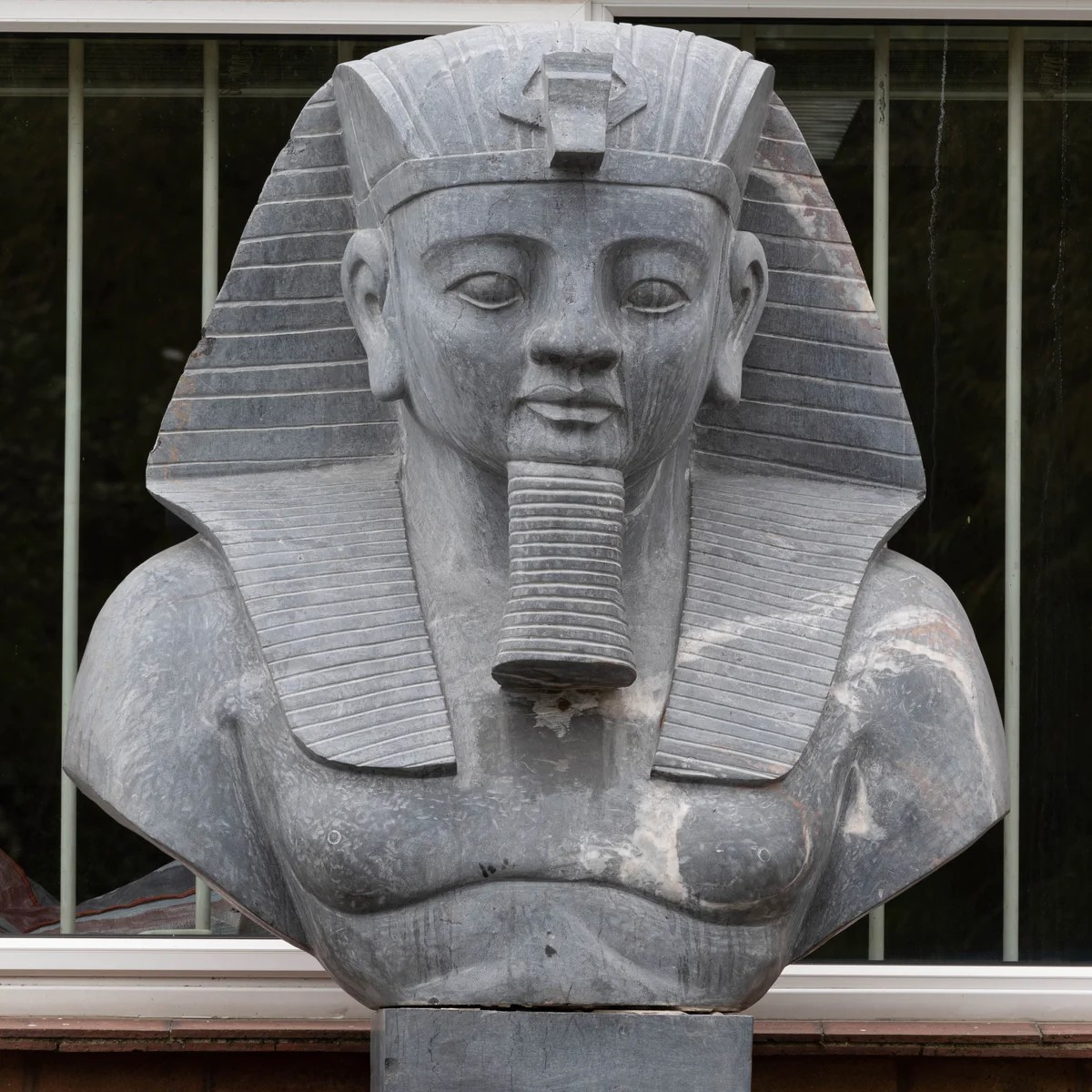
To truly grasp the significance of the marble elephant statue, one must venture into the annals of history where marble carving took root. The art of carving marble can be traced back thousands of years, finding its genesis in ancient civilizations like Egypt, Greece, and Rome. The ancient Egyptians crafted marble statues of deities and pharaohs, believing these sculptures to possess divine properties and serve as conduits between the mortal and divine realms.
In ancient Greece, marble statues reached their zenith during the Classical period. Renowned sculptors like Phidias and Praxiteles carved magnificent marble masterpieces that embodied the ideals of beauty, grace, and proportion. The Parthenon's breathtaking sculptures, including the Elgin Marbles, are a testament to the allure of marble as a medium for immortalizing human achievements and religious devotion.
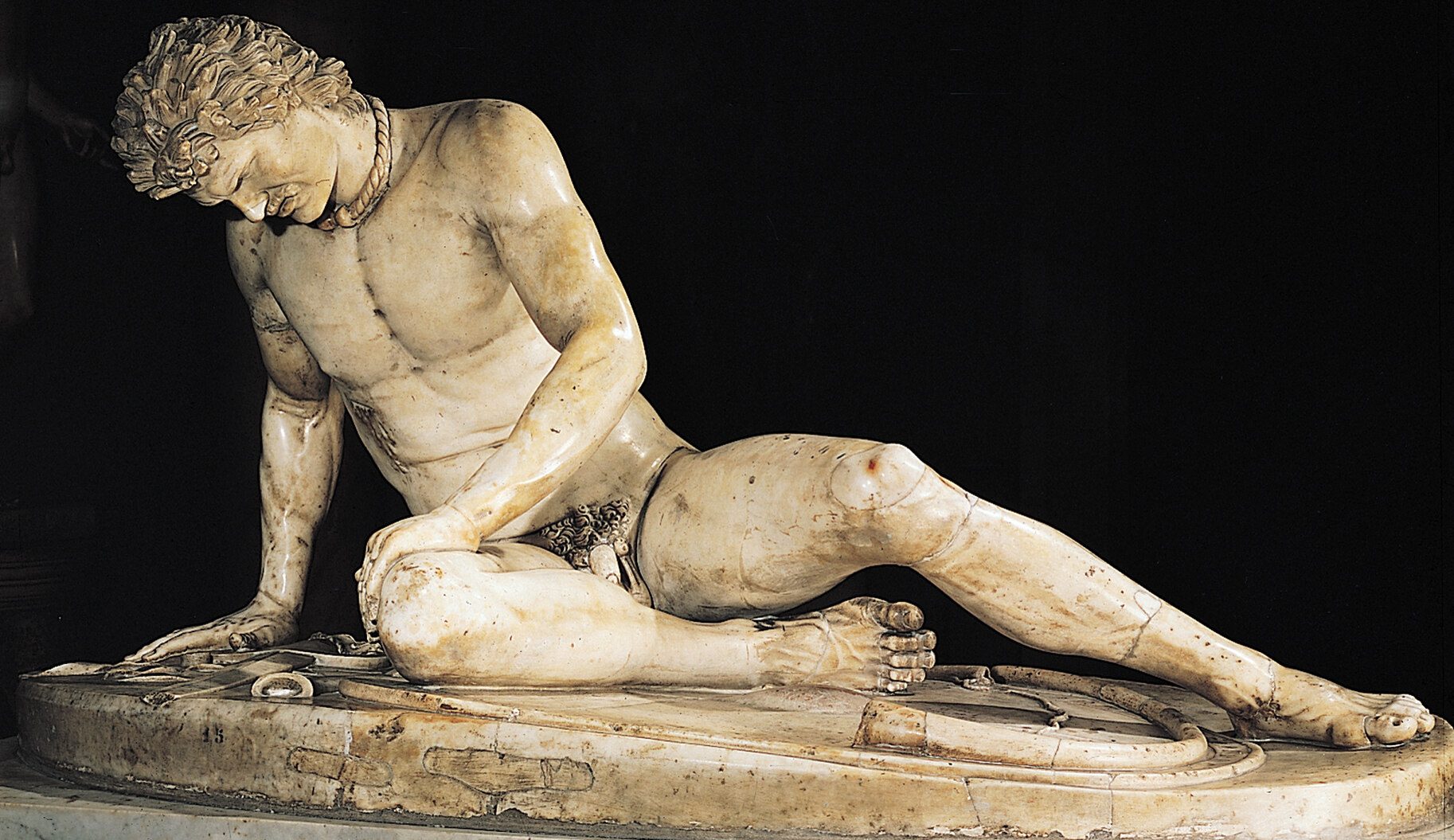
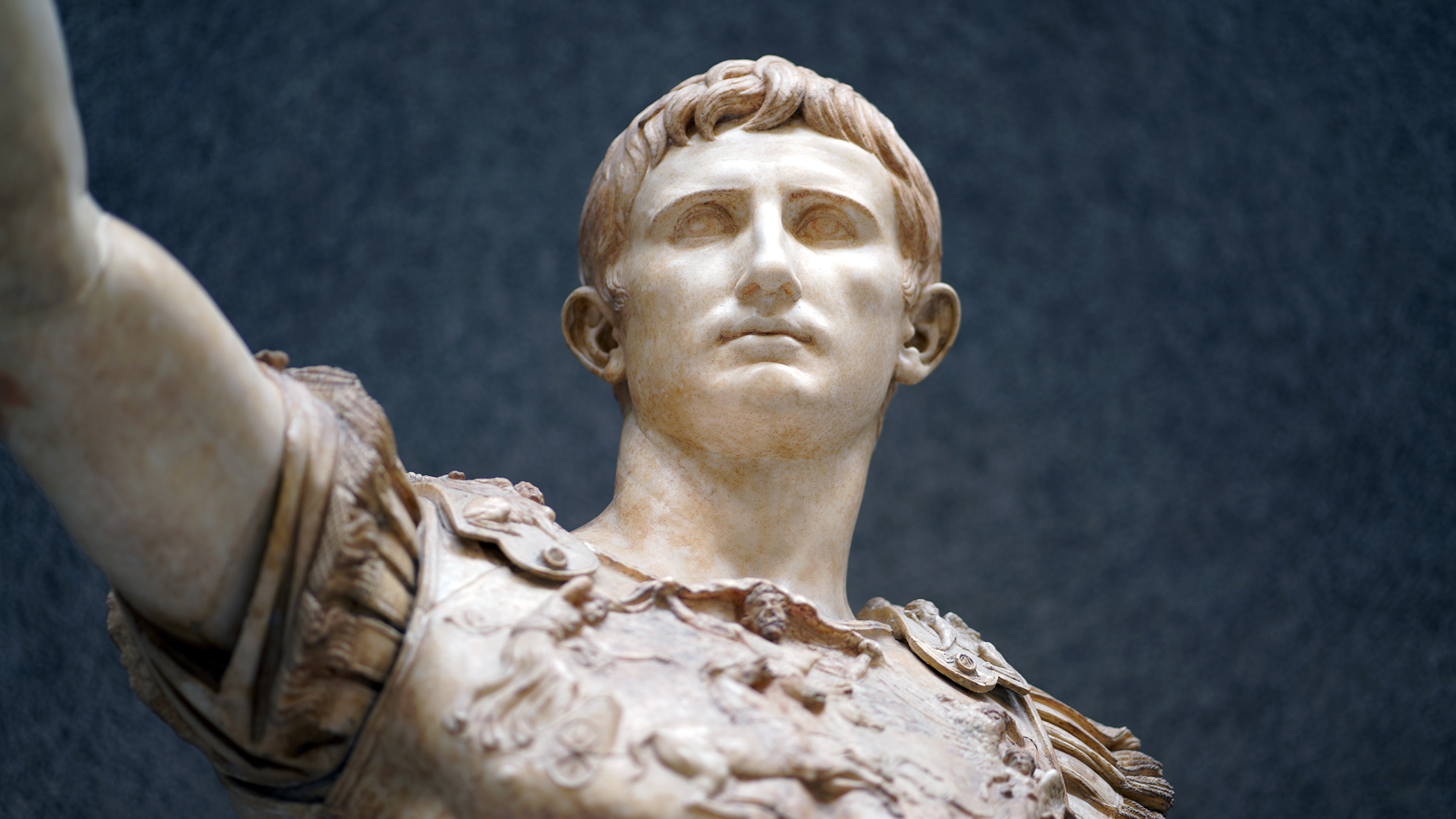
The Romans, inspired by the Greeks, further propagated the art of marble sculpture throughout their vast empire. Elaborate public spaces and opulent villas became showcases for marble statues, with themes ranging from mythical figures to illustrious emperors. Marble's ability to withstand the ravages of time ensured these artistic treasures would continue to inspire awe and admiration for generations to come.
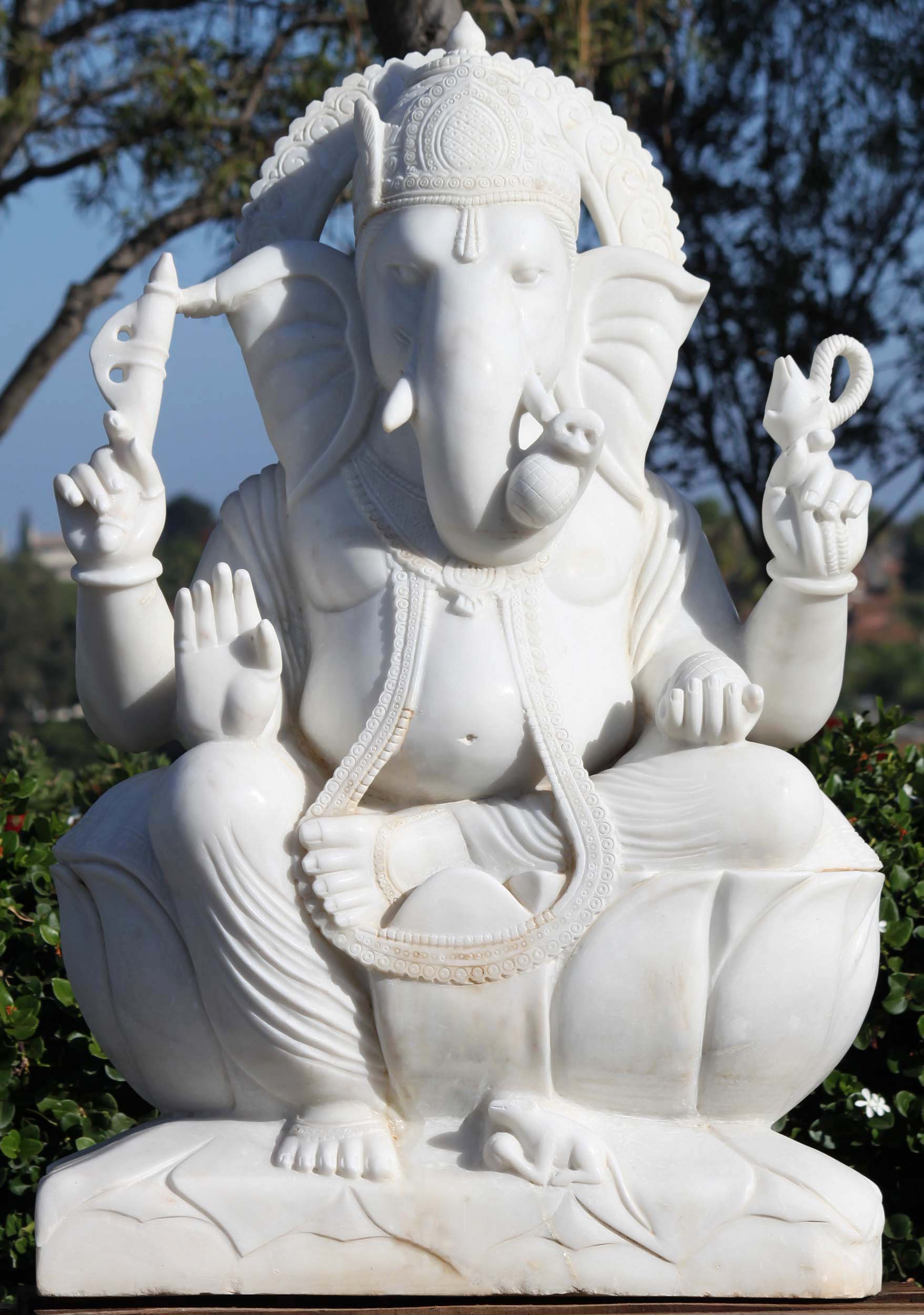
As civilizations evolved and cultures intertwined, the elephant emerged as a revered figure across various regions. In India, the elephant was revered as a sacred animal associated with the powerful deity Ganesha, the remover of obstacles. Marble statues of Ganesha, adorned with intricate carvings and vibrant colors, became a symbol of prosperity, wisdom, and spiritual auspiciousness.
In Southeast Asia, the majestic Asian elephant garnered reverence as a symbol of strength, wisdom, and royalty. Ancient temples and royal palaces showcased splendid marble elephant statues, embodying the regal magnificence of these noble creatures.
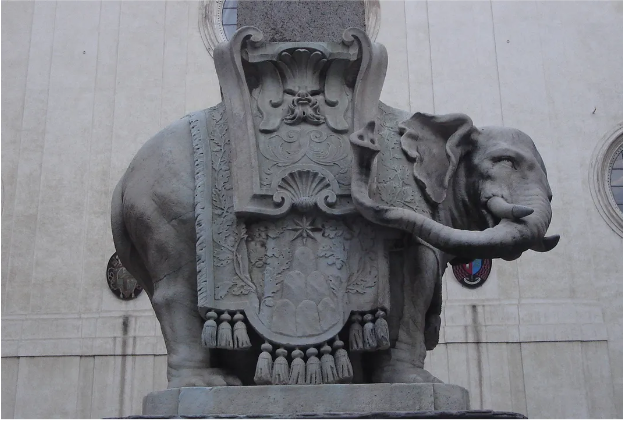
In Africa, elephants held deep cultural significance among indigenous tribes, representing strength, familial bonds, and spirituality. African artisans skillfully crafted marble elephant statues, celebrating the animal's prominent place in their folklore and traditions.
The allure of the marble elephant statue spread far beyond the lands of its origin, finding a place in various art collections and museums worldwide. Through the ages, these captivating sculptures have traversed continents, becoming a universal symbol of cultural interconnectedness and artistic brilliance.
As we delve into the profound cultural roots and intricate symbolism of the marble elephant statue, we embark on a journey that transcends boundaries, transcends time, and connects us to the artistic legacy that unites humanity. In this exploration, we unravel the stories etched in marble, discovering the enduring beauty and significance that these sculptures bring to our lives. Join us as we venture into the realm of marble artistry, where the majestic elephant dances gracefully in stone, inspiring awe and wonder for generations to come.
Cultural Roots of Elephant Marble Statues
The cultural roots of the elephant marble statue run deep, entwined with the tapestry of human beliefs, folklore, and spirituality. Across diverse civilizations and religions, the elephant has been venerated as a symbol of profound significance, endowing these statues with a sacred aura.
In ancient India, the elephant holds a revered place in Hindu mythology and religious practices. Depicted as the beloved deity Ganesha, the elephant-headed god is celebrated as the remover of obstacles and the harbinger of good fortune. Marble statues of Ganesha, often adorned with intricate carvings and embellishments, are cherished in homes, temples, and public spaces, fostering an atmosphere of auspiciousness and spiritual blessings.
Southeast Asian cultures, too, have a deep-rooted connection to the elephant, symbolizing royalty, power, and wisdom. In Thailand and Cambodia, ancient temples and palaces boast splendid marble elephant statues, with some even serving as guardians to protect sacred spaces. These statues serve as a poignant reminder of the majestic creatures' historical association with royalty and their vital role in traditional ceremonies and festivities.
Across the African continent, elephants have long held profound cultural significance among various indigenous tribes. Seen as symbols of strength, familial bonds, and spirituality, these gentle giants feature prominently in folklore and rituals. African artisans skillfully carve marble elephant statues, capturing the essence of these magnificent animals and preserving their cultural heritage in stone.
The symbolism of elephants also permeates Western cultures, where these animals are associated with qualities such as intelligence, loyalty, and memory. From the ancient civilizations to modern times, the elephant's symbolic importance transcends borders, becoming a universal icon of wisdom, strength, and dignity.
Elephant Marble Statue Symbolism
The marble elephant statue is a living testament to the evocative power of art, as it encapsulates a rich tapestry of symbolism that transcends cultural boundaries. A single sculpture can convey a myriad of meanings, depending on its pose, expression, and context.
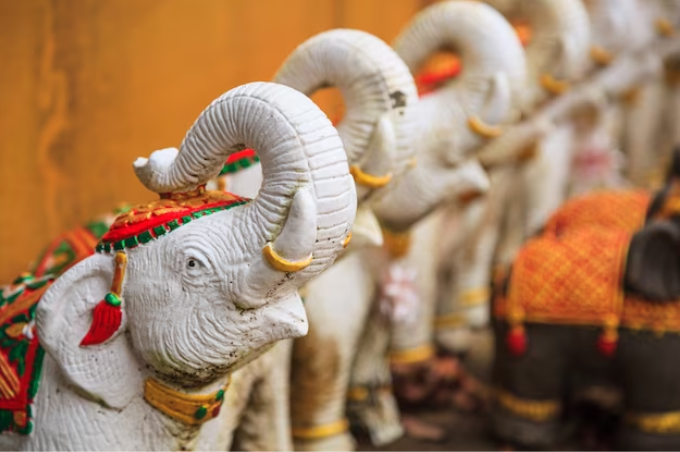
The regal posture of an elephant with its trunk raised symbolizes good luck, prosperity, and victory. This gesture is commonly associated with Ganesha, where it signifies the removal of obstacles on the path to success and the bestowal of blessings upon devotees.
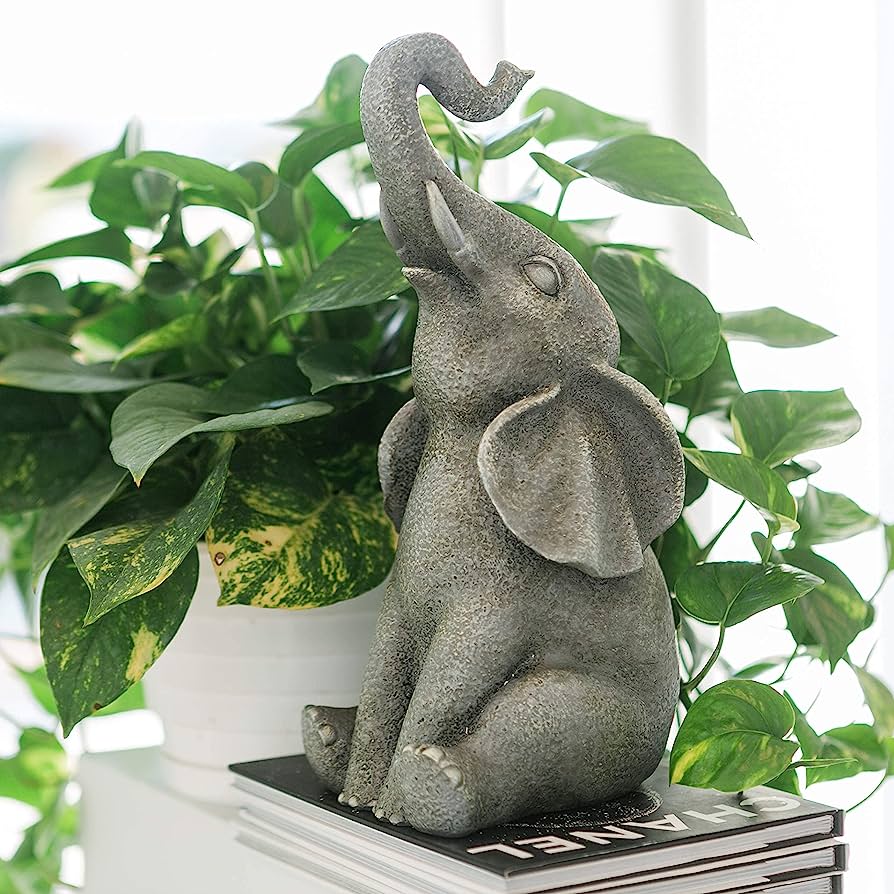
Conversely, an elephant with its trunk down is believed to represent humility and a sense of grounding. This stance is often linked to the idea of inner strength and an unwavering connection to the earth, reminding viewers of the importance of remaining steadfast in the face of challenges.
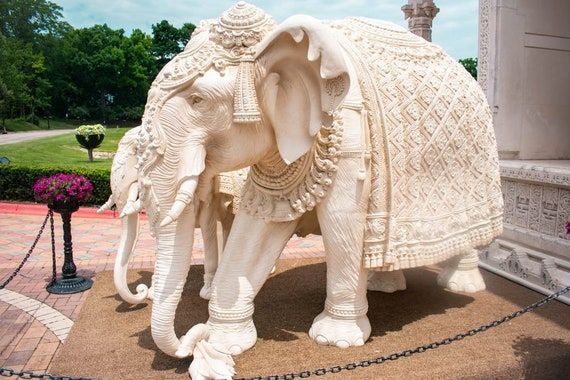
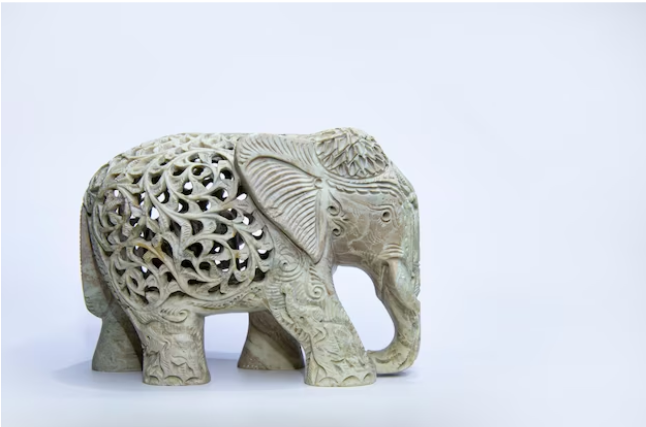
Marble elephant statues adorned with intricate patterns and embellishments evoke a sense of splendor and grandeur. These richly detailed sculptures are a celebration of the animal's majestic nature and the culture that cherishes them.
Furthermore, the bond between elephants and their social structures serves as an allegory for unity, family values, and community. Marble statues depicting elephants in familial groups symbolize the importance of nurturing relationships and the interconnectedness of humanity.
The artistry of the marble elephant statue extends beyond the physical realm, delving into the spiritual and philosophical dimensions of existence. Through their expression, these statues convey a range of emotions, from serene tranquility to playful exuberance, inviting viewers to contemplate the complexity of life.
The marble elephant statue stands as a testament to the enduring allure of artistic expression and cultural symbolism. From its historical roots in ancient civilizations to its widespread impact on diverse cultures, the elephant's profound symbolism endows these sculptures with a timeless and universal appeal. As we immerse ourselves in the cultural roots and profound symbolism of these statues, we gain a deeper appreciation for the interconnectedness of humanity's artistic legacy. Let the captivating allure of the marble elephant statue continue to inspire awe, enriching our lives with its profound meanings and exquisite beauty for generations to come.
Impact and Significance of Elephant Marble Statues
The impact of the marble elephant statue reaches far beyond its physical presence. These mesmerizing sculptures hold a profound significance, inspiring awe and admiration while preserving cultural heritage and promoting cross-cultural understanding. Their enduring appeal is a testament to the timelessness of both marble as an art medium and the symbolism of elephants as revered creatures.
In the realm of contemporary art and design, the presence of marble elephant statues continues to captivate the imagination of artists and designers alike. Amidst the advancement of modern materials and techniques, the allure of marble endures, evoking a sense of elegance and sophistication. The incorporation of an elephant marble statue in architectural spaces infuses them with a sense of grandeur, imparting a feeling of majesty and cultural depth.
However, the true significance of these statues lies in their representation of cultural identity. Throughout history, elephants have held revered positions in the belief systems and folklore of diverse civilizations. In India, the elephant-headed deity Ganesha symbolizes the remover of obstacles and is regarded as a source of wisdom and auspiciousness. In Southeast Asian cultures, elephants are associated with royalty and regality, representing power, wisdom, and strength.
The presence of elephant marble statues in public spaces, temples, and homes fosters a strong sense of cultural belonging and pride. For communities that hold elephants in high regard, these sculptures serve as a reminder of shared values, traditions, and spiritual beliefs. They become a tangible link to ancient cultural roots, encouraging people to cherish and preserve their heritage.
Moreover, the appeal of marble elephant statues extends beyond specific cultural affiliations. As universal symbols of wisdom and strength, these sculptures transcend geographic boundaries, inviting viewers from all walks of life to connect with the deeper meanings they represent. They become ambassadors of cultural exchange, sparking curiosity and appreciation for the richness of human history and artistic expression.
Additionally, elephant marble statues play a vital role in environmental conservation efforts. As iconic representations of elephants, these sculptures draw attention to the need to protect these magnificent creatures and their habitats. They serve as poignant reminders of the delicate balance between humanity and the natural world, prompting viewers to reflect on their responsibility in safeguarding Earth's biodiversity.
Guide in Choosing Elephant Marble Statue
When embarking on the journey to select an elephant marble statue, careful consideration ensures that the chosen sculpture becomes a cherished and meaningful addition to any setting.
One of the essential factors to contemplate is the intended purpose and location of the statue. Whether it graces the home, office, or public space, the size, style, and pose of the sculpture should harmonize with the surroundings and complement the desired theme or intention.
Exploring the diverse styles and poses of marble elephant statues unveils a rich array of emotions and expressions. From the serene and contemplative to the vibrant and playful, each sculpture narrates a unique story. Selecting a pose that resonates with personal preferences and cultural significance creates a powerful connection with the artwork.
Equally important is assessing the craftsmanship and quality of the marble statue. Look for finely crafted pieces that exhibit intricate detailing and a seamless finish. High-quality marble not only ensures the statue's durability but also preserves its timeless beauty for generations to come.
The cultural symbolism embedded within a specific pose or expression of the elephant marble statue adds an additional layer of meaning. Understanding the cultural associations and historical context enhances the viewer's appreciation and fosters a deeper connection with the artwork.
Ultimately, the most significant aspect of choosing an elephant marble statue is the emotional resonance it evokes. Art has the unique ability to stir emotions, ignite curiosity, and inspire contemplation. Allow the heart to guide the selection, for the right statue will not only be an aesthetic addition but also an enriching symbol of cultural heritage and artistic beauty.
Key Takeaways
In conclusion, the marble elephant statue stands as a timeless testament to humanity's artistic brilliance and cultural interconnectedness. Its profound impact reaches across time and borders, uniting people through shared symbolism and collective admiration for these majestic creatures.
The marble elephant statue's significance lies not only in its aesthetic allure but also in its role as a guardian of cultural heritage and environmental consciousness. These sculptures invite us to explore the depths of our humanity, connecting us to ancient beliefs, traditions, and a shared reverence for the natural world.
As we embrace the allure and significance of these magnificent marble statues, let us be inspired to cherish and protect both the artistic legacy they represent and the magnificent elephants they symbolize. May the marble elephant statue continue to grace our lives, captivating hearts and minds with its profound meanings and timeless beauty for generations to come.
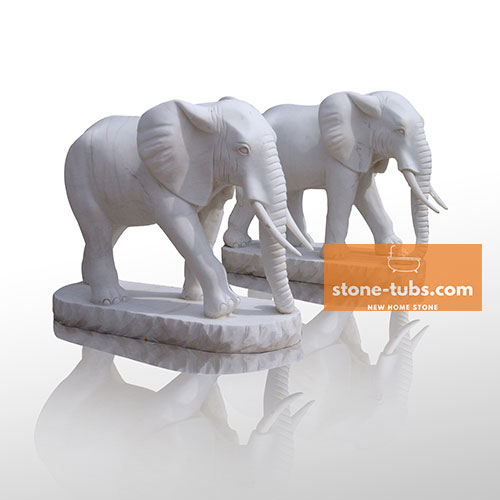
Unveil the Timeless Beauty of Artistic Craftsmanship – Contact Classybath Stone Tubs for Exquisite Marble Elephant Statues and More Stunning Animal Marble Artistry. Elevate your space with our high-quality creations, capturing the essence of cultural symbolism and artistic finesse.



.png)